

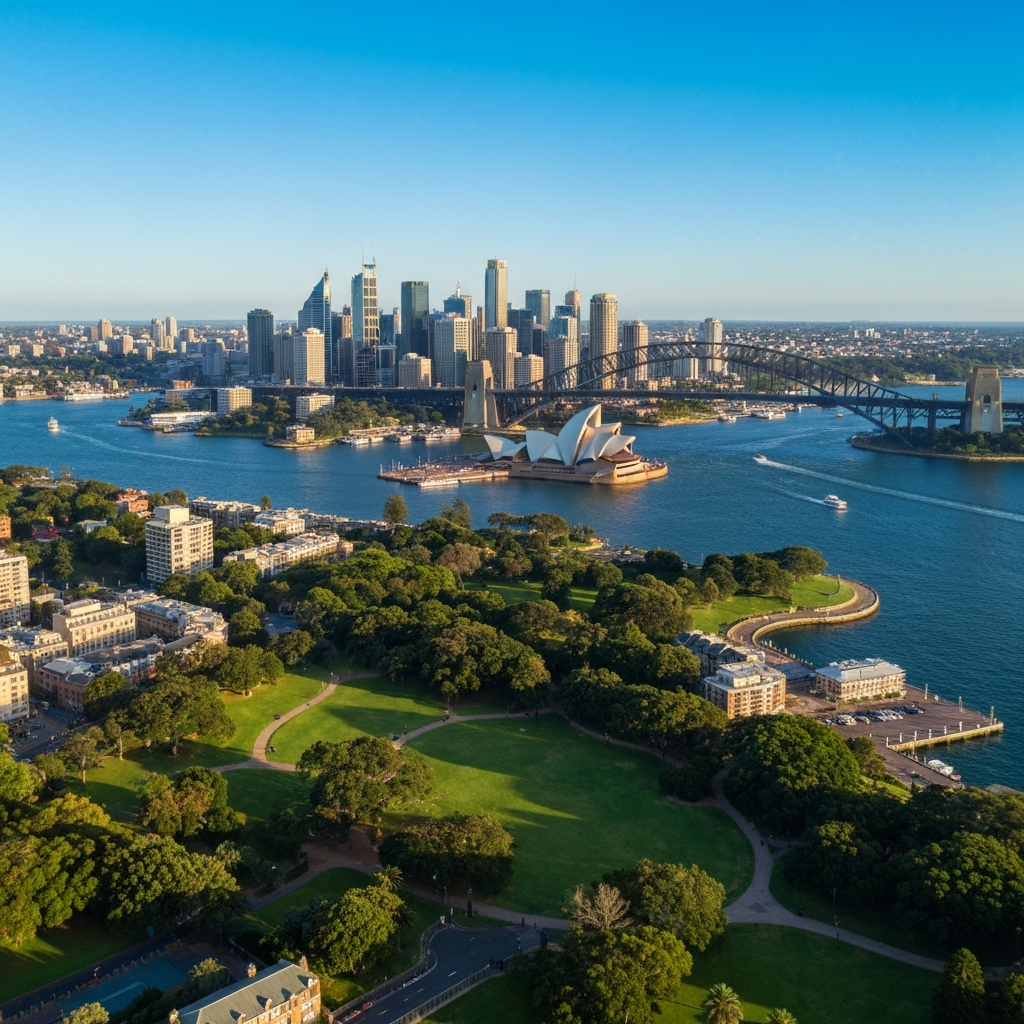
Sydney boasts a humid subtropical climate, characterized by warm summers and mild winters, making it an attractive destination throughout the year. Understanding the city’s seasonal patterns can help residents and visitors plan activities accordingly.
Seasonal Breakdown
Summer (December – February)
During summer, average temperatures range from 18.6°C to 25.8°C (65.5°F to 78.4°F), with humidity levels peaking around 65%. This season is ideal for beach outings, as sea temperatures rise to between 21.9°C and 23.7°C (71.4°F to 74.7°F). However, it’s also the period with the highest rainfall, often accompanied by thunderstorms, particularly in January and February.
Autumn (March – May)
Autumn brings milder temperatures, averaging between 14.6°C and 22.2°C (58.3°F to 72°F). The humidity drops, and the crisp air makes it a perfect time for coastal walks and outdoor activities. Additionally, from May to August, humpback whales migrate north, offering excellent whale-watching opportunities along Sydney’s coastline.
Winter (June – August)
Winters are generally mild, with average temperatures ranging from 8.8°C to 17°C (47.8°F to 62.6°F). While it’s the coolest season, Sydney still enjoys a fair amount of sunshine, making it suitable for various outdoor pursuits.
Spring (September – November)
Spring sees temperatures gradually increasing, with averages between 11°C and 23°C (52°F to 73°F). The city blooms with vibrant flora, and the weather is typically pleasant, making it an excellent time for festivals and outdoor events.
Environmental Considerations
Sydney’s climate is influenced by various factors, including the El Niño-Southern Oscillation, which can lead to periods of drought and increased bushfire risk. Conversely, La Niña phases may result in heavier rainfall and potential flooding.
In recent years, the city has faced environmental challenges such as debris washing up on beaches, prompting significant investments in wastewater infrastructure to protect marine ecosystems.
Understanding these patterns and challenges is essential for both residents and visitors to make informed decisions and contribute to the city’s sustainability efforts.