

The United States is currently experiencing significant shifts in both its political and economic spheres, with recent events shaping the nation’s trajectory.
Political Developments
In a notable change within the intelligence community, Tulsi Gabbard has resigned from her position as Director of National Intelligence. This departure has raised questions about the future direction of U.S. intelligence policies and leadership dynamics.
Additionally, President Donald Trump has been actively engaging with top advisers regarding the situation in Iran, indicating potential shifts in foreign policy and military strategy.
Economic Indicators
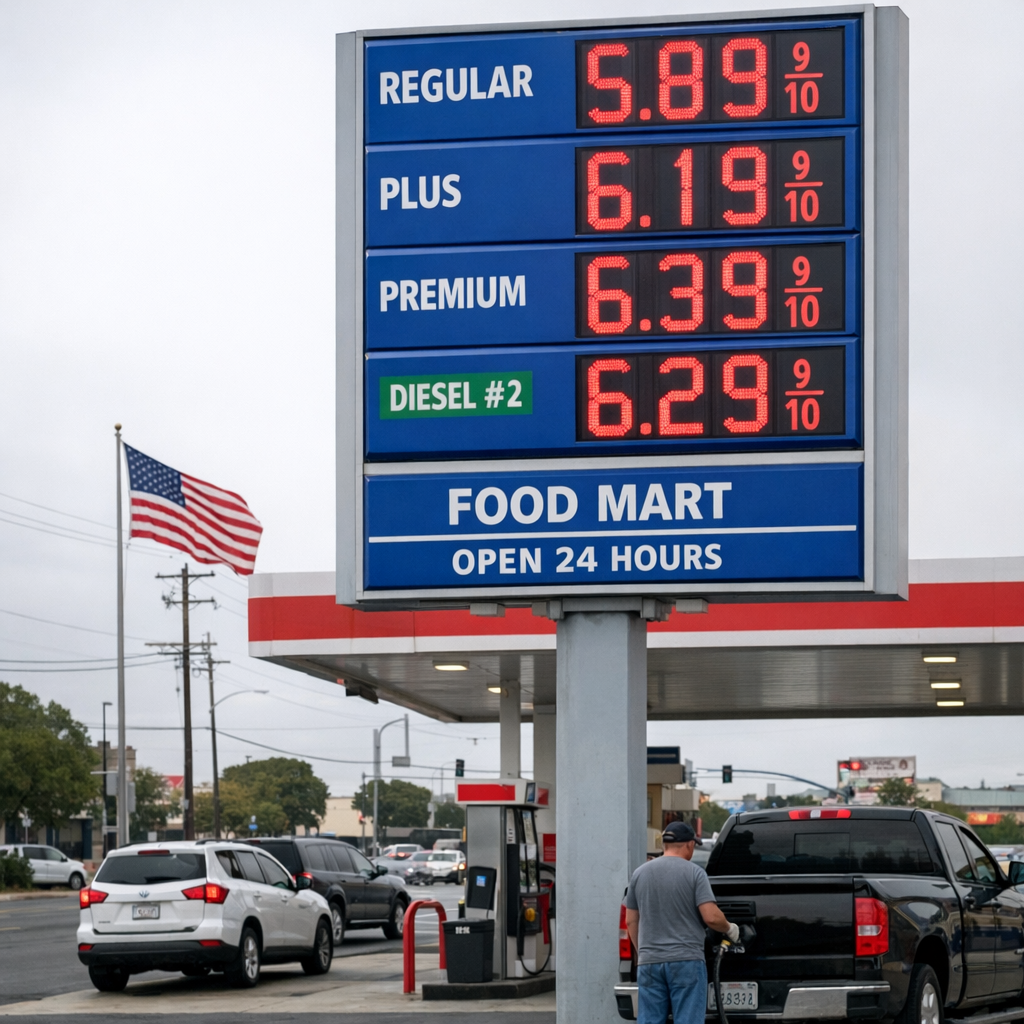
The U.S. economy is facing challenges, as evidenced by a recent rise in gas prices. Reports indicate that gas prices have increased nearly 50 cents in the past month, impacting consumers nationwide.
Furthermore, the Federal Reserve has undergone a leadership change, with Kevin Warsh being sworn in as the new chair, replacing Jerome Powell. This transition comes at a time when the economy is grappling with various obstacles, including inflation and market volatility.
Implications
These developments suggest a period of uncertainty and potential transformation in U.S. politics and economy. The resignation of a key intelligence official and discussions on foreign policy may lead to shifts in international relations. Concurrently, economic challenges such as rising gas prices and leadership changes at the Federal Reserve could influence domestic economic policies and consumer confidence.
As these situations evolve, it is crucial to monitor their progress and understand their broader implications on both national and global scales.