

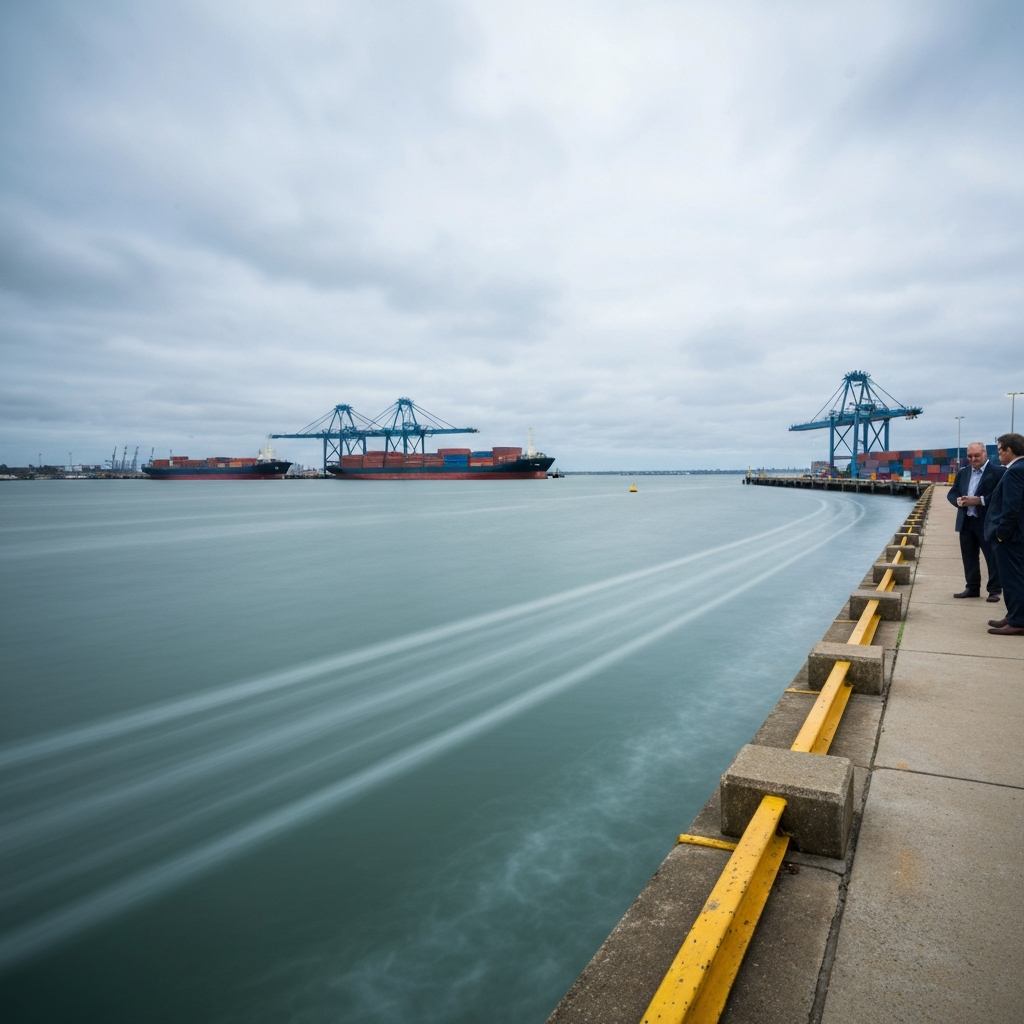
In an increasingly interconnected world, global events have profound impacts on Australia’s economic stability, national security, and environmental health. Recent developments underscore the necessity for Australia to adapt and respond effectively to these international challenges.
Economic Impacts of Global Trade Dynamics
Australia’s economy is deeply intertwined with global trade networks. The imposition of a 55% tariff on Australian beef imports by China, effective from January 2026, exemplifies the vulnerabilities inherent in such dependencies. This tariff threatens to reduce Australian beef exports to China—a market valued at over A$1 billion annually—by up to a third, posing significant challenges for local producers and the broader agricultural sector. Source
National Security Amid Geopolitical Tensions
Geopolitical conflicts and unrest have tangible effects on Australia’s national security and the mental well-being of its citizens. The National Mental Health Commission acknowledges the distress many Australians feel in response to international conflicts, emphasizing the importance of mental health support during such times. Source
Additionally, Australia’s participation in international summits, such as the recent meeting with the UK and France to discuss safeguarding shipping in the Strait of Hormuz, highlights the nation’s proactive stance in addressing global security concerns. Source
Environmental Challenges Linked to Global Climate Change
Climate change, a global phenomenon, has direct repercussions for Australia. The 2025 algal bloom in South Australia, which began in March 2025 and is ongoing as of February 2026, has caused significant fish kills and adversely affected the marine environment, fishing industries, and tourism. This event underscores the pressing need for comprehensive environmental policies and proactive measures to mitigate the effects of climate change. Source
Furthermore, Australia’s commitment to addressing the biodiversity, climate, and pollution crises is evident in its participation in international frameworks and the implementation of domestic policies aimed at environmental conservation and sustainability. Source
Conclusion
Global events continue to shape Australia’s economic landscape, national security posture, and environmental policies. As these international developments unfold, it is imperative for Australia to remain vigilant, adaptable, and proactive in safeguarding its interests and well-being.