

The United States is currently experiencing significant shifts in its political and economic spheres, with recent events underscoring the dynamic nature of the nation’s landscape.
Political Developments
In the political arena, the resignation of Director of National Intelligence Tulsi Gabbard has raised questions about the future direction of U.S. intelligence policies. Gabbard’s tenure was marked by policy disagreements and limited experience, leading to debates about the qualifications required for such a critical role.
Additionally, the Trump administration’s recent actions, including the easing of refrigerant regulations, have sparked discussions about the balance between environmental concerns and economic interests. The administration argues that such moves could lower grocery costs, while critics express apprehension about potential environmental impacts.
Economic Indicators
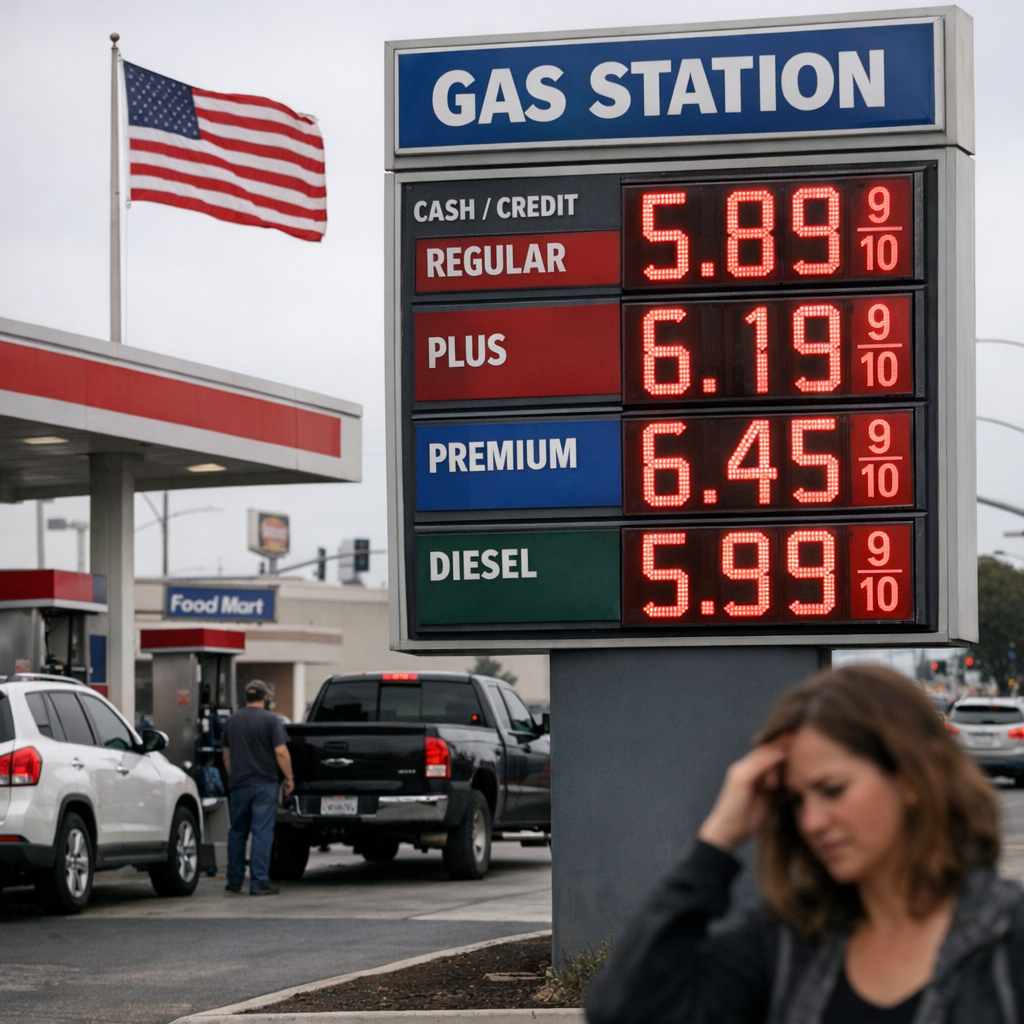
On the economic front, consumer confidence has been affected by elevated gas prices and persistent inflation. Recent reports indicate that consumer confidence has been dented due to these factors, reflecting broader concerns about the economy’s trajectory.
Furthermore, the Federal Reserve has undergone a leadership change, with Kevin Warsh being sworn in as the new chair, replacing Jerome Powell. This transition comes at a time when the Fed’s independence is under scrutiny, and its policies are closely watched for their impact on the economy.
Implications and Outlook
These developments highlight the interconnectedness of political decisions and economic outcomes. As the U.S. navigates these changes, both domestic and international observers are keenly watching for signs of stability and growth. The coming months will be crucial in determining how these shifts will influence the broader global economy and political landscape.