

By Thomas Gupta
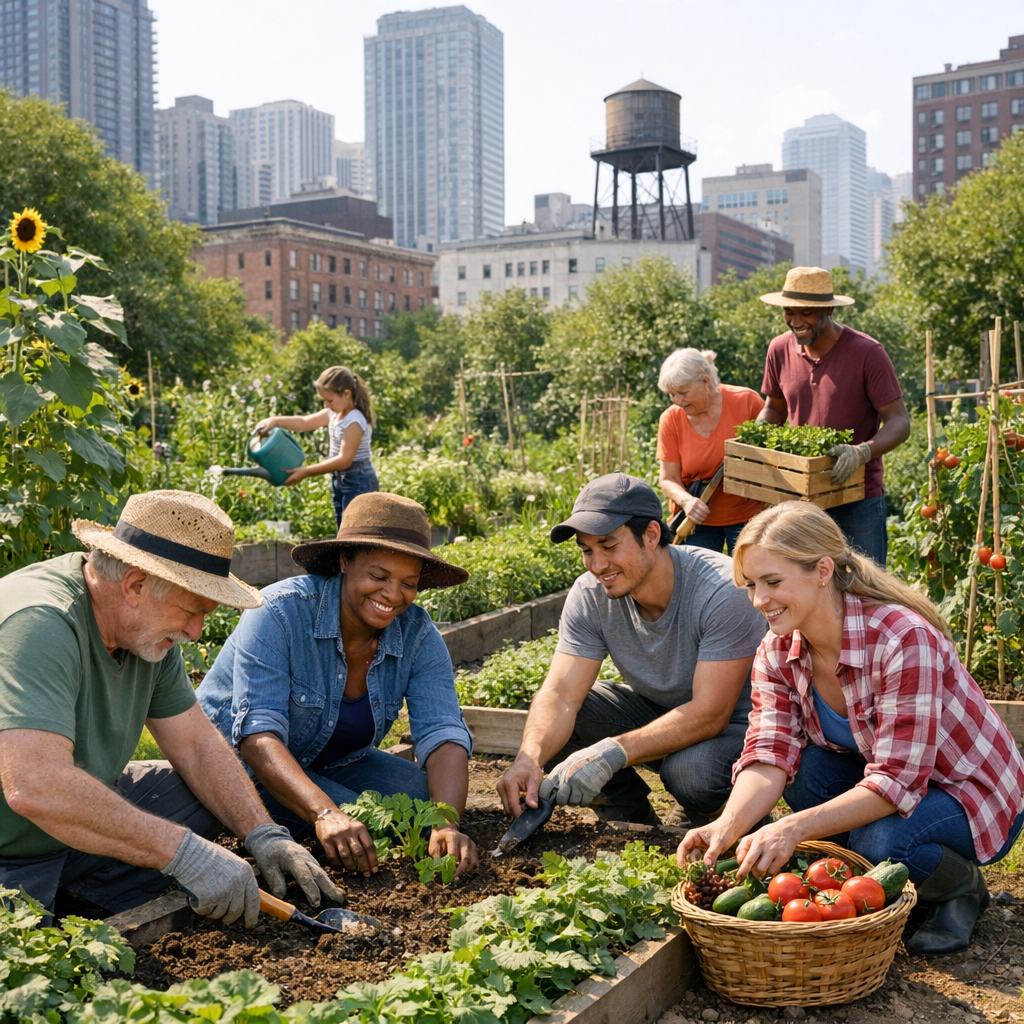
In our busy city, community gardens are quiet hubs where something beautiful grows—not just plants, but connection. These shared green spaces offer something for everyone: fresh air, companionship, a way to learn and contribute. Here’s how you can get involved, why it matters, and how gardens like these help us feel more rooted in our neighbourhoods.
Why community gardens are more than horticulture
Community gardens in Sydney do more than beautify our streets—they provide places where mental health improves, new friendships start, and cultural exchange happens. Learning to grow food brings joy, builds confidence, and gives people a sense of agency over their environment. These spaces often act as bridges between longstanding residents and those new to town.
Where you’ll find them and how they work
The City of Sydney supports many gardens. Some well-known examples include Glebe Community Gardens, James Street Reserve Community Garden in Redfern, and Sydney City Farm in St Peters. Open to people of all skill levels, they’re set in footpaths, rooftops, reserves and even verge strips. The City provides guides on how groups are structured, materials preferred, and how to apply to start a new garden on public land. It encourages applications and helps navigate the rules and policies involved.
Hands in soil: volunteering and more
If you want to lend a hand without starting your own garden, there are lots of volunteer opportunities. Bushcare groups, biodiversity projects and greening programs allow you to assist native plant propagation, weeding, planting and habitat restoration. These roles often bring training and a chance to learn about local ecology. You’ll also find help is offered through statewide programs that partner with councils and community housing to build gardens where they’re needed most.
Tips to get started
- Reach out: find a garden group near you in your suburb and visit on a gardening day to meet people.
- Check rules: read the council’s community garden policy—particularly if using public land or organizing composting, structures, or signage.
- Contribute what you can: these projects thrive on shared effort—whether you’re planting seedlings, building paths, or sharing skills like graphic design or project coordination.
- Respect the space: follow guidelines for composting, tools, community sharing and sustainability.
- Share your harvest (if applicable): many gardens encourage exchanging produce or hosting communal meals or workshops.
Why it’s worth your time
Community gardens offer a powerful antidote to isolation. In a city of millions, a tiny garden bed can connect strangers, heal stress, and strengthen neighbourly ties. These spaces build resilience—making communities more capable of gathering, caring, and supporting each other. Over time, they grow a shared sense of belonging that lasts far beyond the bloom of the season.
If you’ve been looking for a way to do something local, purposeful, and grounding, planting roots in a community garden might be just the thing.